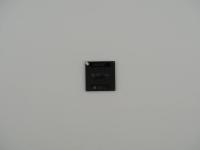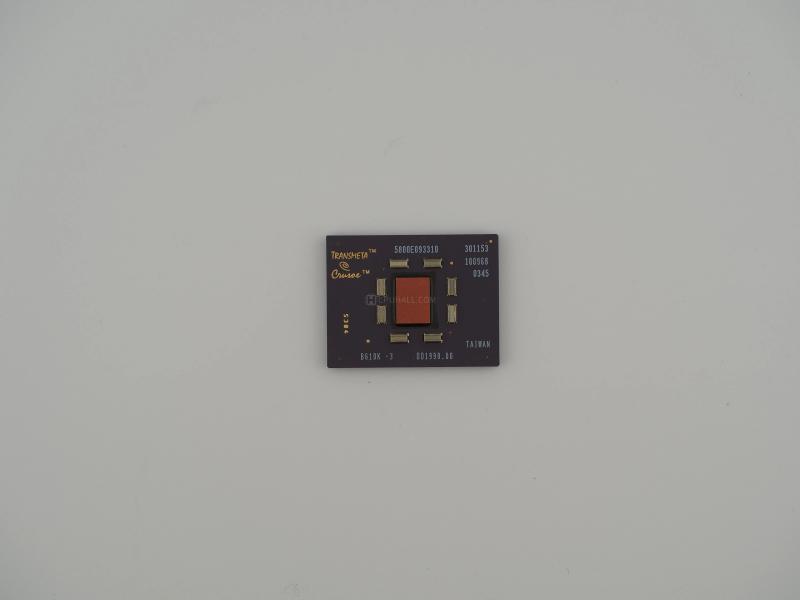

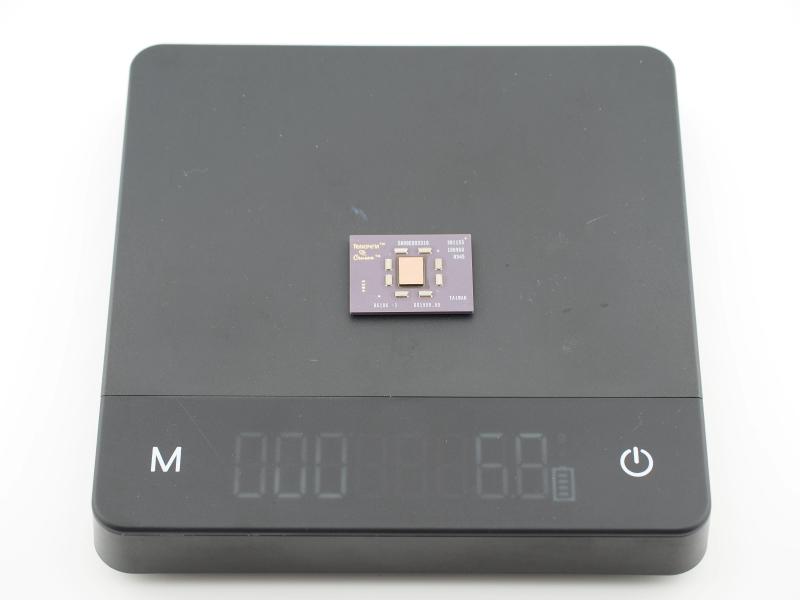
A ghost in the machine. The Transmeta Crusoe wasn't an x86 processor; it was a VLIW (Very Long Instruction Word) chip that used a software layer called "Code Morphing" to translate Windows instructions on the fly. The goal was extreme power efficiency for laptops.
It was hyped to the moon, with Linus Torvalds (creator of Linux) even working there. Ultimately, it failed because Intel simply made their own chips more efficient, but the Crusoe remains a fascinating "what if" in semiconductor history. It’s a piece of silicon that tried to outsmart the hardware with software.